Man With Van Perivale

Man With Van Perivale provides a straightforward man and van service in Perivale for household moves, furniture transport and practical collection work. It is built around moving the items that matter without unnecessary complexity, so customers can plan a smaller move, a single bulky item journey or a carefully arranged load with clear support. The service suits people who want help moving everyday contents, not a large lorry when that would be excessive.
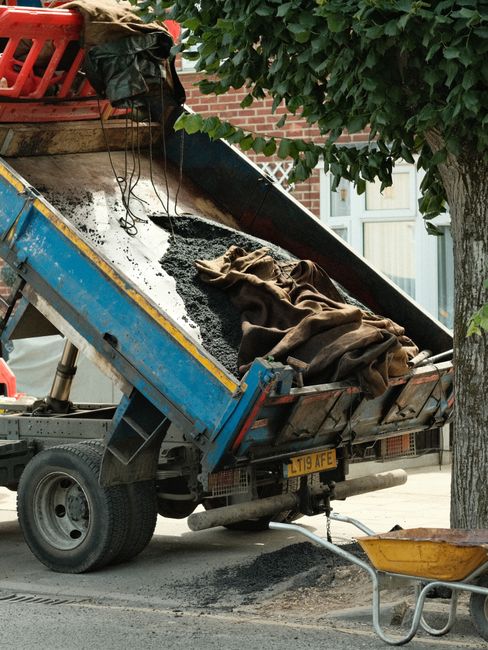
We can help with lifting, loading, transport and unloading for items that fit the vehicle and the agreed plan. That may include boxes, white goods, furniture, packed household goods and other items that need sensible handling. For larger or more complex jobs, a coordinated removal services page gives a broader view of the work involved, while this page keeps the focus on the local van-based option and the practical choices around it.
When you are arranging a move, it helps to think about access, the amount of carrying involved and how the load should be grouped. A van-based move often works best when the items are ready to go, clearly separated and suitable for the vehicle size. If you are comparing options, man with a van explains the broader service type, and you can use this page to judge whether the Perivale version is the right fit for your load.
What the service covers
Our man with van work in Perivale is best suited to jobs where the load needs careful handling rather than a full-scale removals crew. That can include moving a few rooms of belongings, transporting furniture between addresses, helping with student or flat moves and carrying items that are awkward to move alone. The emphasis is on practical transport and loading help, so the service stays flexible enough for different kinds of small and medium domestic jobs.
Customers often use a van service when they need a simple way to shift possessions without overcomplicating the day. A well-planned load can reduce wasted journeys and make it easier to keep fragile pieces separate from heavier items. If you want to compare this with other local and general moving options, movers offers a wider category view, while moving van is useful when your main concern is the transport vehicle itself.
Typical requests can include beds, tables, chairs, wardrobes, suitcases, packed boxes and household equipment. The exact mix matters because it affects how the vehicle should be loaded and whether anything needs extra care. A van move also works well when you need a tidy, organised approach rather than a rushed clear-out. If you are unsure whether the job is better suited to a single vehicle run or a fuller removal plan, the options can be assessed before you commit.
Household moves and local transport

House moves handled through a van service can be ideal for smaller homes, shared properties and partial relocations. The benefit is often in keeping the move efficient: fewer unnecessary costs, less wasted space and a setup that matches the amount of furniture or belongings you actually have. For a broader domestic removal page, house removals covers the subject in more detail, while home moves is useful if you are comparing different household-moving arrangements.
Some customers only need one or two large pieces taken to a new address, while others need several rooms transferred in an orderly sequence. In those cases, loading order becomes important. Heavier items usually need to go in first, with lighter and more delicate things protected around them. A good van-based move also allows space for a sensible route between collection and delivery, so the day stays manageable. You can also look at house movers if you want to see how household moving work is described more broadly.
Useful preparation usually means grouping items by room, separating anything fragile and making sure access is clear enough for loading and unloading. It is also sensible to decide in advance whether boxes, furniture and loose items should travel together or separately. When the plan is clear, the move tends to run more smoothly. If your job includes collection from more than one address or a combination of home and storage items, the transport can often still be arranged within the same basic service.
Furniture, loading and careful handling
Furniture transport is one of the most common reasons people choose a man and van service. Items such as sofas, beds, cabinets, tables and freestanding storage pieces need practical handling, especially when they must pass through narrow halls, stairwells or shared entrances. A van-based move is often a sensible way to deal with these pieces because it keeps the job focused on the objects that need lifting and transport, rather than a complete property clearance.
For individual items and smaller furniture groups, the key decisions are size, shape and whether the load needs protection. A heavy item may need to travel on its side or be secured so it does not move in transit, while fragile surfaces may need extra wrapping or careful spacing. If you are collecting a single item from a shop, seller or storage location, furniture pick-up gives a relevant route into that type of transport work.
The same approach can help with mixed loads where furniture sits alongside bags, boxes or smaller household goods. Rather than treating every job as identical, the move should reflect what is actually being carried and how it will fit into the available space. That is why a brief, accurate description of the items can be more useful than a long list of general comments. It helps the transport plan match the work in front of it.
How the vehicle-based move is planned
Planning is usually most effective when the collection, delivery and load shape are understood early. A van service is not only about having a vehicle available; it is also about deciding how the items will be arranged so the move is practical from start to finish. That includes thinking about doorways, stairs, parking space and the order in which objects should go on and off the van. These details often make the biggest difference to how efficient the day feels.
It is also useful to consider whether the job is a straight point-to-point move or whether it involves several stops. A single-address journey is simple, but some customers need a stop at storage, a second home or a collection point first. If you are comparing the way different removal jobs are described online, man and van removals may help set the expectation, while removal services remains the broader commercial category for more varied moving work.
For many customers, the most practical route is to keep the booking information specific: what needs moving, where it starts, where it is going and whether there are items that need extra care. That simple structure makes it easier to choose the right size of vehicle and the right level of help. It also reduces the chance of arriving with a vehicle that is either too small or larger than the job requires, which can be an avoidable inconvenience.
Perivale in context

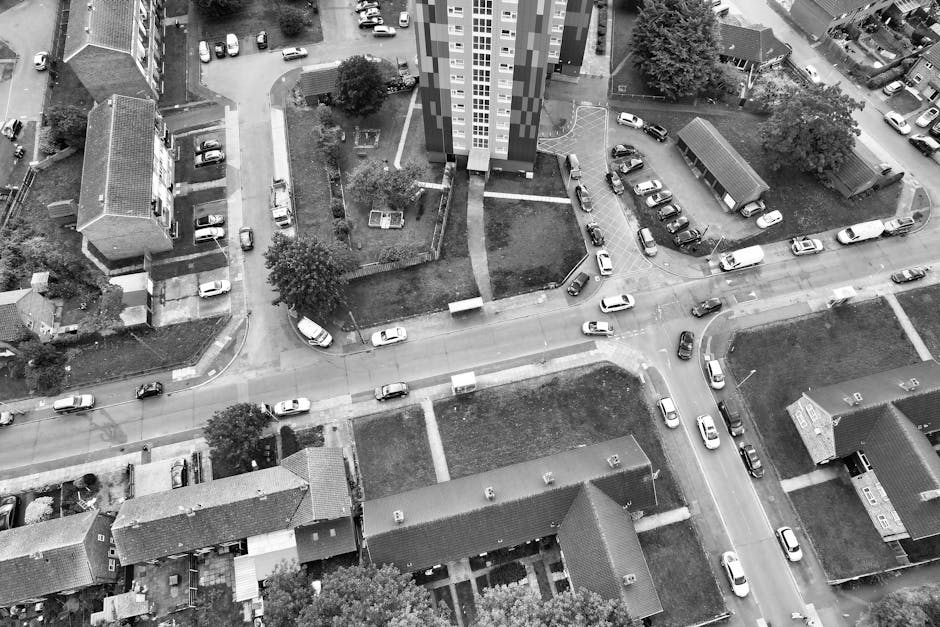
Perivale is a district in the London Borough of Ealing in west London, known historically as a village that later became absorbed into the metropolitan expansion of the capital. Its long, narrow shape follows the line of the River Brent valley and the Grand Union Canal corridor, and the area contains a mix of housing, local roads, light industrial sites and open green space. The district developed rapidly in the twentieth century, especially with the growth of interwar housing and transport links that made the area more accessible from central London.
One of Perivale’s best-known landmarks is St Mary’s Church, a notable example of modern ecclesiastical architecture designed by Sir Edward Maufe in the 1930s. The area is also associated with the Hoover Building on Western Avenue, an Art Deco structure widely regarded as one of the most distinctive commercial buildings in west London. Nearby green spaces include parts of Horsenden Hill and access to the canal towpath, which give the district a more open edge than many urban areas of similar size.
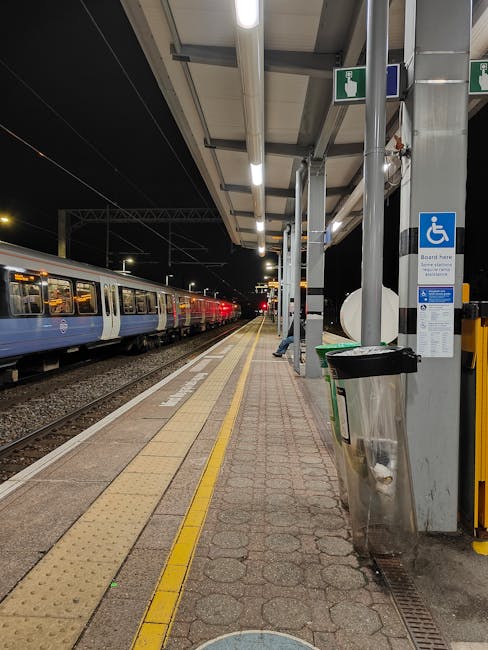
Perivale Underground station on the Central line connects the district to the wider city, while Western Avenue and surrounding local roads shape movement across the area. The mixture of transport infrastructure, residential streets and older industrial land gives Perivale a practical urban character. It is a place where historic features, post-war development and contemporary everyday life sit close together, creating a landscape that is both functional and visually varied.
Office and commercial moving support
Not every van job is residential. Small business moves, office equipment transport and commercial collections can also fit this service when the load is manageable and the route is clearly planned. That may involve desks, chairs, filing cabinets, boxed materials, display items or stock that needs to reach a new base without delay. For a dedicated business-moving page, office relocation services gives a fuller overview, while commercial moves covers a wider range of business relocation work.
Commercial jobs often need a little more coordination than a standard house move because working equipment may need to be kept together and office access can depend on building rules or timed entry. A van-based approach can still work well when the amount to move is modest and the items are ready for transport. If you are comparing different removal suppliers, removal company is a helpful broader route, while removal companies can be used to compare the category as a whole.
For business customers, it is usually worth separating everyday contents from anything fragile or confidential before the move begins. That keeps the handling simpler and avoids confusion once the van is loaded. The same applies to any equipment that should not be stacked under heavier objects. A neat plan and a clear destination make the work more manageable, especially when the move sits between an office, storage unit and another operational location.
Practical choices for collection and delivery

When arranging a collection or delivery, the most important question is what the job needs to accomplish. Some customers need a direct delivery, while others want a flexible collection from a seller, storage facility or workplace. A man with van service can be used for both because the job is defined by transport and handling rather than by one fixed kind of property move. That gives useful scope for furniture, household loads and general items that need moving safely.
It can help to sort the items before the day rather than making decisions once loading starts. For example, anything breakable, unusually shaped or hard to stack should be identified in advance so it can be loaded in a safer position. If you want to see how different removal vehicle options are described, moving truck presents a larger-vehicle perspective, while removal van suits customers who are thinking specifically about van-based transport.
Two useful points tend to improve these jobs: first, keep the route straightforward where possible; second, make sure the load has a sensible order before travel starts. Neither point needs elaborate planning, but both reduce the chance of unnecessary rearranging later. Where there are awkward items, the aim is not speed for its own sake but a balanced arrangement that makes unloading easier at the destination.
Quotes, pricing and what affects the cost
Pricing for a man with van job usually depends on the nature of the load, the amount of time needed and the practicality of the route. A job with a few straightforward items may be quicker to handle than one involving stairs, parking difficulty or multiple stops. The aim is to match the service to the work in front of it, rather than treating every move as the same. For more on how commercial moving costs are presented, pricing and quotes gives a useful point of reference.
Useful information for a quotation usually includes the kind of items being moved, the collection and delivery areas, any notable access restrictions and whether the move involves loading help, collection only or a full transport job. If there are bulky pieces, awkward dimensions or delicate surfaces, mentioning them early makes it easier to form a realistic plan. A sensible quote should reflect the actual job rather than relying on assumptions about what a typical move might involve.
When comparing services, it can help to think about what is included in the move rather than only the headline idea of a van. The handling, route, access and time all matter. If you are seeking a straightforward local move in Perivale, a well-described load and a clear destination are usually enough to begin the process. You can also use the page to decide whether the work belongs in a simple van move or a broader removals category.
About Perivale
Perivale sits in west London and is shaped by the interplay of transport routes, green corridors and twentieth-century development. The River Brent and the Grand Union Canal run through the wider landscape, giving the district a noticeable line of water and towpath space amid the built environment. Much of Perivale’s modern character emerged during the interwar period and later suburban growth, but traces of earlier settlement remain in its historic name and in a few older landmarks. The district belongs to the London Borough of Ealing and lies close to other west London neighbourhoods that also developed through rail and road expansion. The most recognisable buildings include St Mary’s Church, designed by Edward Maufe, and the Hoover Building, whose Art Deco frontage has long been a prominent feature on Western Avenue. The area also has access to open land at Horsenden Hill, where slopes, grassland and views across the borough provide a contrast with the denser residential streets. Perivale’s station on the Central line connects it into the larger city, while the local road network links housing, workplaces and retail strips. That blend of transport, architecture and open space gives Perivale a practical but distinctive urban identity that reflects both its historic roots and its twentieth-century transformation.
Preparing for a smooth move

Good preparation makes a van move much easier to manage. Boxes should be closed properly, loose parts kept together and anything fragile identified early enough to be handled with care. It is also sensible to make sure items that are staying behind are not mixed into the load by mistake. A little order before the day often saves time later, especially when furniture and smaller household pieces are being moved together.
Another helpful step is to think through the arrival point in advance. If items need to go upstairs, into storage or through a narrow entrance, it is better to know that before the van is loaded. The same applies to awkward shapes, as these are easier to place properly when there is a clear plan. If you are ready to move forward, contact us to request a quotation, or simply ask for a quote when you are ready to compare the job against your timing and load.
This is a service that works best when the arrangement is simple and well described. Whether the task is a single item, a home move or a small business transport job, the aim is to keep the process practical from the first load to the final delivery. For customers in Perivale, that means a local van-based solution that can be shaped around the items, the route and the level of help required.