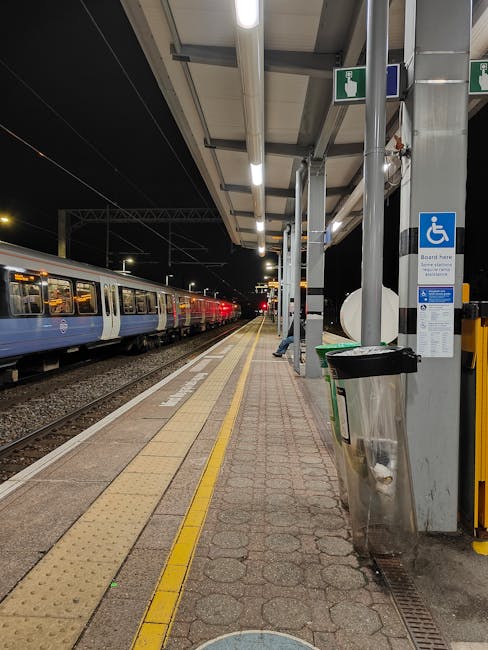
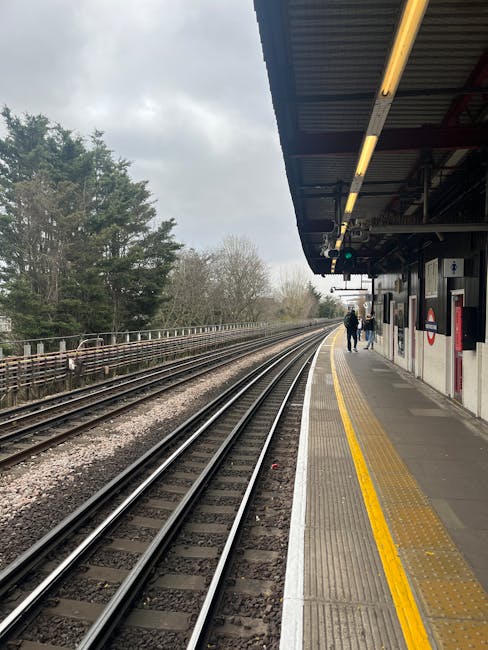
Perivale tube station access guide for removals
Moving near a busy station can be a bit of a juggling act. If you are planning a home move, flat clearance, or office relocation close to Perivale Tube Station, the details matter more than people expect. A good Perivale tube station access guide for removals helps you think through van access, loading time, parking, pedestrian flow, and how to protect your furniture from a rushed lift-and-carry job on a narrow pavement. That is the difference between a calm move and a morning full of awkward delays.
In practice, station-side removals are less about "can the van fit?" and more about timing, communication, and avoiding bottlenecks. You will want a plan for where the vehicle stops, how porters or helpers move items, and what to do if the route is busier than expected. This guide walks through all of that in plain English, with practical steps you can actually use.
Expert summary: the safest approach is usually to plan your removal as if every minute near the station will be tight, every curb space may be contested, and every extra trip will cost energy. Build in time, keep the loading route short, and make decisions before moving day, not during it.
Contents
- Why Perivale tube station access for removals matters
- How station access works in a real move
- Key benefits and practical advantages
- Who this is for and when it makes sense
- Step-by-step guidance
- Expert tips for better results
- Common mistakes to avoid
- Tools, resources and recommendations
- Law, compliance, standards and best practice
- Options, methods and comparison table
- Case study or real-world example
- Practical checklist
- Conclusion
- Frequently asked questions
Why Perivale tube station access for removals matters
Perivale Station sits in a part of West London where traffic, footfall and curb availability can all change quickly. That matters for removals because a move is rarely just about the front door. It is about the whole chain: approach road, stop point, walkway, stairs or lift, and the time it takes to get bulky items from A to B without blocking anyone else.
Let's face it, the awkward part of moving is often not the sofa. It is the sofa and the lack of space around it. If your van has to double back, or the crew has to carry wardrobes a longer distance than planned, the whole day becomes slower and more tiring. Near a station, that slowdown is common enough that it should be planned for, not treated as a surprise.
There is also the trust side of things. A well-organised removal near public transport feels calmer to the building manager, neighbours, and anyone else passing through. That creates less friction. It also reduces the chance of damage to hallways, shopfronts, kerbs, and the items being moved. In our experience, the difference between a smooth local move and a stressful one is often whether the access plan was realistic from the start.
If you are comparing moving help, this is where a reputable man and van service or a broader removal services option can be useful, especially when the move is small to medium and access is a little tight.
How Perivale tube station access for removals works
There is no single "station access" formula. In reality, it is a mix of route planning, timing, vehicle choice, and common sense. The aim is to reduce the distance between the vehicle and the property entrance while keeping everyone safe and keeping the move legal and tidy.
Most station-area moves follow the same broad pattern:
- Check the most practical approach road for the vehicle.
- Identify where the van can stop without causing problems.
- Work out the walking route from vehicle to entrance.
- Decide whether the property has stairs, lifts, or tight communal spaces.
- Pack and load in the order that matches the route, not just the room layout.
That last point gets missed a lot. If the lift is small or the entrance is busy, you do not want to be hunting for the kettle while a mattress is already blocking the pavement. Pack with the access route in mind. Heavy, awkward, or frequently needed items should be handled early and kept easy to reach.
For some moves, a smaller vehicle is actually the smarter choice. A compact van may be easier to position near the station or in a side street than a larger truck. If the property and access route are simple, a moving van can be enough. If you need extra carrying capacity but still want flexibility, a man with van setup is often a good middle ground.
Station-side access also means thinking about timing. Mornings can be busy with commuters. School-run hours add more movement. Even a quick loading job can get messy if you arrive at the wrong moment. That is why many people aim for a window where the street is quieter and the loading route is clearer. Simple, but it helps.
Key benefits and practical advantages
A proper access plan does more than save time. It can lower stress, cut unnecessary lifting, and reduce the risk of damage. That is the real value here.
- Shorter loading distances: fewer steps from door to van means less physical strain and faster loading.
- Safer handling: less carrying through awkward corners lowers the chance of knocks and scrapes.
- Better timing: when access is mapped out, the move is easier to sequence and less likely to drift.
- Less disruption: neighbours, commuters and building staff are less likely to be affected.
- Smarter vehicle choice: you can choose a van size that fits the location rather than guessing.
There is a practical benefit too that people only notice halfway through the day: energy. If the move involves stairs or a longer walk from the van, your team gets tired faster. That is when mistakes creep in. Boxes get dropped. Furniture gets angled badly. Someone says, "It'll be fine," and then it isn't. Planning the access route properly keeps the day calmer and the lifting more controlled.
For bigger jobs, especially where several rooms or office areas are involved, a more structured move may be worth it. You can compare options such as house removals, home moves, or even office removals if the property is being cleared for work purposes.
Who this is for and when it makes sense
This guide is for anyone moving near Perivale Station who wants fewer surprises. That includes flat movers, house movers, students, landlords, letting agents, small business owners, and people clearing a property with limited parking.
It makes sense if:
- your building entrance is close to a busy road or station footpath
- you have no private driveway or loading bay
- your furniture includes awkward or bulky items
- you need the move done within a narrow time window
- you are moving during weekday commuter hours
It also makes sense if you are comparing providers and want to know whether you need a full-scale team or something lighter. A straightforward local move can often be handled by a man and van removals approach, while heavier or multi-stop jobs may be better suited to a larger movers team or a dedicated removal company.
If you are a business moving stock, fittings, or office equipment near the station, the same ideas apply. You just need to be extra careful about timings and access to avoid interrupting customers or staff. Not glamorous, but very real.
Step-by-step guidance
Here is a practical way to organise a removal near Perivale Station without overcomplicating it.
- Inspect the route before moving day. Walk the likely loading route from street to doorway. Look for narrow pavements, steps, bollards, low walls, and anything that could slow a trolley or carry team.
- Choose the right vehicle size. Bigger is not always better. A van that can park closer to the entrance is often more efficient than a larger vehicle that has to stop farther away.
- Decide on loading priorities. Put awkward items, fragile pieces, and essential daily items in a sensible order. If the route is tight, load the biggest items first while the team is fresh.
- Protect the property. Use blankets, floor protection, and corner guards where needed. Communal hallways near station properties can be narrow, and scuffs happen quickly.
- Communicate the plan. Tell everyone where the vehicle is stopping, which entrance is being used, and who is handling keys, lifts, and access codes.
- Allow a buffer. If you think loading will take 45 minutes, plan for an hour. Truth be told, the extra cushion is what keeps the whole job civilised.
If packing is still in progress, a little structure makes life easier. Consider packing and unpacking services if you are short on time, or arrange a smaller lift-and-shift solution with a man with a van if you only have a modest load.
One small but useful habit: label boxes by room and by urgency. A box marked "kitchen first" saves a lot of faff when you arrive at the new place and want tea, chargers, and a kettle before the deeper unpacking begins. It sounds simple because it is simple.
Expert tips for better results
Some of the best improvements are small. The trick is to think like the person carrying the item, not just the person booking the move.
- Move outside peak pedestrian times where possible. Early or mid-morning can work better than the commuter rush.
- Keep fragile items separate from the main pile. A dedicated load zone reduces accidental crushing.
- Use the shortest legal stopping point. Even a slightly longer carry can become a big drag if you repeat it ten times.
- Ask about insurance and safety in advance. It is worth checking what is covered before the first box is lifted.
- Plan for weather. A wet pavement and cardboard boxes are not friends. Neither are wet steps and a mattress.
Another tip: if the access route is awkward, simplify the job elsewhere. For example, pre-disassemble beds, remove table legs, and empty drawers before the team arrives. That saves space in the van and reduces the risk of catching door frames. You would be amazed how often a two-minute screwdriver job avoids a twenty-minute headache.
For commercial moves, ask whether a dedicated commercial moves approach or an office relocation services plan is more sensible. The right setup depends on volume, access, and how much downtime your business can tolerate.
Common mistakes to avoid
A lot of removal stress comes from preventable mistakes. Here are the ones that show up again and again.
- Assuming the van can stop anywhere. Around a station, that is rarely true.
- Leaving access checks until the morning of the move. By then, you are already on the clock.
- Choosing a vehicle only by price. Cheap can be expensive if the route is awkward and you need extra trips.
- Overpacking boxes. Heavy boxes are harder to carry through tight spaces and more likely to break.
- Not telling neighbours or building staff. A quick heads-up can avoid complaints, especially where the pavement is busy.
- Forgetting the return journey. Moving in is one thing. Getting empty packing materials out afterwards is another.
And this one sounds obvious, but it bites people all the time: do not leave loose items scattered in the hallway while waiting for the final van load. Near a station, a busy doorway can turn into a minor obstacle course very quickly. Nobody wants that.
If you are dealing with old furniture or bulky items that will not make the move, arrange a separate furniture pick up rather than trying to force everything into the same schedule.
Tools, resources and recommendations
You do not need a huge toolkit to manage access well, just a sensible one. A few basic items make a noticeable difference.
| Tool or item | Why it helps | Best for |
|---|---|---|
| Furniture blankets | Helps protect edges and surfaces during tight carries | Wardrobes, tables, cabinets |
| Ratchet straps or tie-downs | Keeps loads stable inside the vehicle | Mixed loads, longer journeys |
| Floor protectors | Reduces scuffing in hallways and entrances | Communal buildings, flats |
| Labels and marker pens | Makes unloading faster and more organised | Every move, honestly |
| Trolley or sack truck | Helps with boxes and heavier items where the route allows | Ground-floor or level access moves |
On the service side, it helps to choose a provider that is used to London access issues rather than one that only talks in generic terms. If you want a broader overview of service quality and planning support, pages such as removal services, removals, and man with van removal are worth comparing before you book.
For people who care about where unwanted items end up, the site's recycling and sustainability information is a useful place to check how waste and reusable items are handled. That matters more than many people think, especially after a big flat clear-out.
Law, compliance, standards and best practice
There is no single rulebook for every station-area removal, but there are UK best practices you should respect. The first is simple: do not block access, create a hazard, or load in a way that puts pedestrians at risk. That applies whether you are moving one sofa or an entire office.
If your move involves parking restrictions, loading bays, building management rules, or shared access, make sure you understand them before the day. It is better to ask a property manager a slightly awkward question than to improvise on the pavement later. Nobody enjoys a stern look from a concierge at 8:15 in the morning, to be fair.
Good providers should also be able to explain their approach to safety, insurance, and handling standards in plain language. If you are comparing services, look at the wording on health and safety policy, insurance and safety, and terms and conditions so you know what to expect.
For customer confidence, practical and transparent admin matters too. Pages covering pricing and quotes, payment and security, and privacy policy help set expectations before anything is booked. That is the kind of thing that builds trust without making a big song and dance about it.
Options, methods and comparison table
Not every move near Perivale Station needs the same setup. Here is a simple comparison to help you decide.
| Option | Best for | Strengths | Watch-outs |
|---|---|---|---|
| Man and van | Small to medium loads, flexible access | Agile, often easier to position near tight streets | May not suit very large or heavy moves |
| Full removals team | Larger homes, more furniture, heavier lifting | More support, better for complex jobs | Can be unnecessary for tiny moves |
| Van-only hire | Budget-conscious, self-managed moves | Simple and flexible | You handle more of the carrying and coordination |
| Specialist office move | Workspaces, equipment, documents | Better planning around downtime and access | Needs more coordination in advance |
If you are unsure which route is right, think about three things: how far the carry is, how much there is to move, and how much help you want on the day. That simple filter usually narrows it down fast. No need to make it harder than it is.
For a more local search mindset, some readers also compare removals near me options with a more tailored removal company approach. Both can work. The right choice depends on volume, timing, and access.
Case study or real-world example
Here is a realistic example. A couple moving from a second-floor flat near Perivale Station had no driveway and only a narrow street for access. Their biggest problem was not packing; it was stopping the van long enough to load a sofa, bed frame, and a stack of boxes without blocking the route for everyone else.
They solved it by doing three things. First, they packed the awkward items separately and pre-disassembled the bed. Second, they booked a smaller vehicle that could fit closer to the entrance instead of trying to use a larger one. Third, they moved earlier in the day, before the street got busier. Nothing fancy. Just sensible.
The result was a calmer loading sequence, less carrying distance, and no frantic reshuffling on the pavement. The move still had the usual moving-day chaos - there always is a bit - but it stayed manageable. That is really the point of this guide: not perfection, just fewer headaches.
In a similar situation, a small office clearing close to the station may benefit from a more coordinated approach, especially if there are files, monitors, and communal access concerns. In that case, a provider offering office removals or office relocation services can help keep the process organised.
Practical checklist
Use this before moving day. It is deliberately simple.
- Confirm the exact entrance you will use
- Check whether the van can stop close enough to the property
- Review any building rules, loading restrictions or access codes
- Pre-pack fragile and high-value items separately
- Label boxes by room and priority
- Disassemble bulky furniture where practical
- Keep a clear path inside the property
- Prepare blankets, tape, straps and marker pens
- Allow extra time for parking, lifts and stairs
- Have a backup plan if the first stopping point is unavailable
If you are moving house rather than just a few items, it can also help to check options like house movers, house removalists, or house removals so you can match the service to the size of the job.
One small extra tip: keep kettle, chargers, keys, and essential documents in a separate bag that stays with you. That way, when the van is finally unloaded and everyone is tired, you are not rummaging through a box marked "misc." We have all been there.
Get a free quote today and see how much you can save.
Conclusion
A station-side move does not have to be stressful. With the right access plan, Perivale becomes just another part of the route, not the obstacle that throws the day off track. The key is to think ahead: choose the right vehicle, keep the walking distance short, respect the rules, and pack in a way that matches the access conditions.
Whether you are moving a flat, a family home, or a small office near Perivale Tube Station, the same principle applies. Good removals are rarely dramatic. They are prepared, calm, and slightly boring in the best possible way. That is a compliment, honestly.
If you want support from a local team that understands access planning, safety, and practical moving-day coordination, start with the service pages that match your move and go from there. The smoother your preparation, the easier everything feels on the day.
And once the last box is in place, you will be glad you took the time. It's a small thing, but it really does make a difference.
Frequently Asked Questions
What is the best way to plan removals near Perivale Tube Station?
The best approach is to check access before moving day, choose a vehicle that can stop as close as possible, and pack items in the order they will be loaded. Timing matters too, especially around commuter hours.
Do I need a smaller van for station-area removals?
Not always, but smaller vans are often easier to position near tight streets or busy curbs. If the route is awkward, a smaller vehicle can save time even if it carries less per trip.
How early should I plan a move near the station?
Ideally, start planning a few days ahead at minimum, and longer if the property has complex access or building rules. Access is one of those details that looks simple until the day arrives.
Can I load directly outside the property?
Sometimes yes, sometimes no. It depends on parking restrictions, road layout, and whether the stop point is safe and legal. Never assume the space will be available on the day.
What if the van cannot park close enough?
Then you need to allow extra time for carrying items, use trolleys where possible, and prioritise boxes and furniture so the route stays efficient. A backup stopping plan is always wise.
Is a man and van service enough for a Perivale move?
For smaller or medium-sized moves, yes, often it is. For larger homes or heavier furniture loads, a fuller removals setup may be more suitable.
What should I ask a removal provider before booking?
Ask about access planning, insurance, vehicle size, timing, and what happens if the stop point is not available. Those questions are boring only until they save the day.
How do I protect furniture during tight access moves?
Use blankets, straps, and floor protection. Disassemble what you can, and keep the route clear so items are not clipped by door frames or railings.
What is the biggest mistake people make with station-side removals?
They usually underestimate timing and parking. A move that looks quick on paper can slow down fast if access is not thought through properly.
Are office moves near Perivale Station different from home moves?
Yes, mainly because of equipment, documents, and downtime. Office moves often need more coordination and a tighter schedule, especially if staff or customers are nearby.
Should I use packing services for a move with tricky access?
If you are short on time, have fragile items, or want the day to run more smoothly, packing support can be very helpful. It also makes loading quicker because items are usually organised more sensibly.
Where can I check service details, policies, and pricing?
The most useful starting points are the pages covering pricing and quotes, terms and conditions, and insurance and safety. They help set expectations before you book.