UB6 Terrace Moves: Narrow Streets Packing Guide
Posted on 07/05/2026
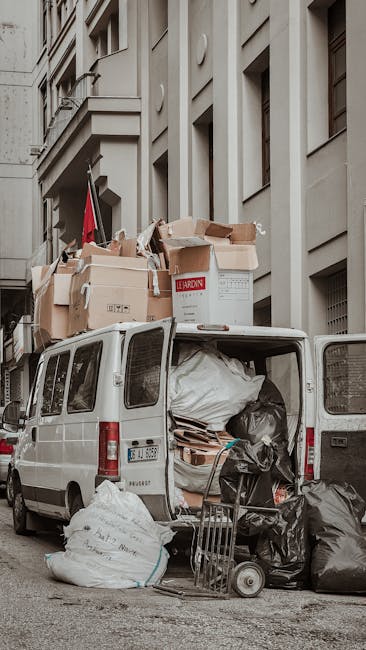
Moving a home in UB6 can feel simple on paper and then, suddenly, the street narrows, the parking disappears, and a chest of drawers looks twice its size. That is exactly why a UB6 Terrace Moves: Narrow Streets Packing Guide matters. Terrace homes in this part of West London often come with tight front paths, awkward staircases, shared access, and not much room for a van to breathe, let alone for you to carry a sofa through. Truth be told, the packing plan makes or breaks the day.
This guide is built for people moving from or into terraced homes around UB6 who want fewer surprises and a calmer move. You will find practical packing steps, timing advice, safety points, and the little details that tend to get missed until the last minute. If you are comparing help too, it can be useful to look at broader removal services in Perivale or the more specific house removals in Perivale page to see what support fits your move.
And yes, the narrow-street part is a real factor. A well-packed box stack, the right label, and a sensible order of loading can save you an awkward back-and-forth on a wet pavement at 7:30 in the morning. Nobody needs that drama.
Why UB6 Terrace Moves: Narrow Streets Packing Guide Matters
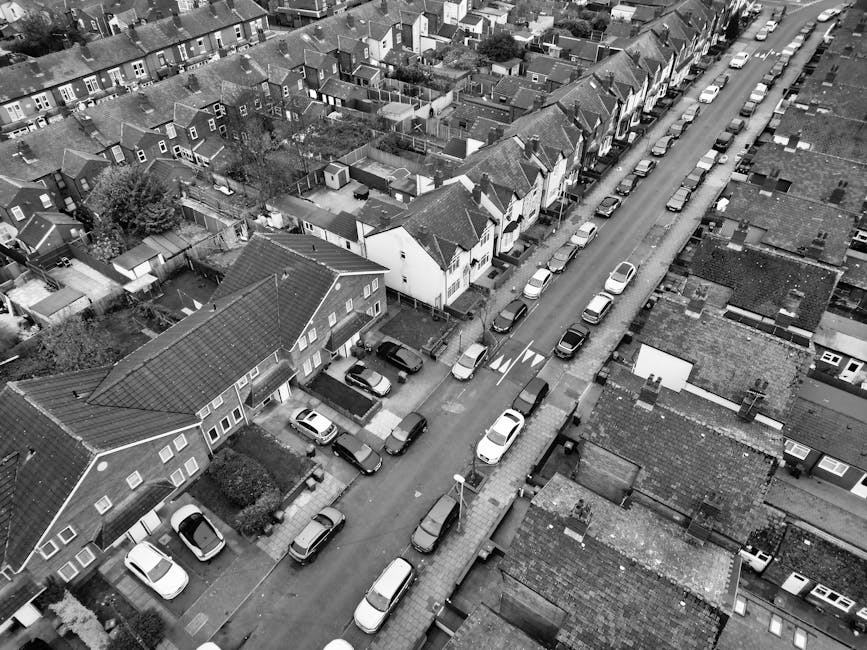
Terraced streets in UB6, especially around Perivale and nearby residential lanes, can be tight in ways that are easy to underestimate. On a map, the route looks fine. In real life, you may be dealing with parked cars on both sides, limited turning room, shared driveways, and very little space to keep belongings waiting outside. That changes how packing should be done.
The big issue is not just transport. It is movement efficiency. If boxes are packed badly, the loading team wastes time reshuffling. If fragile items are mixed in with heavy ones, breakages become more likely. If furniture is not broken down properly, the staircase becomes the bottleneck. In narrow streets, bottlenecks are expensive in time and energy. Sometimes a little patience. Sometimes a lot.
There is also a neighbour factor. In a terrace, one blocked pavement or a noisy last-minute repack can affect the people next door. A smooth move is considerate as well as practical. That is one reason many people pair careful packing with a service such as man and van support in Perivale or a more structured option like removals in Perivale when the schedule is tight.
In our experience, the strongest moves are not the fastest at the start. They are the ones that feel deliberate. A box tape gun in hand, items sorted by room, furniture prepped the night before. It looks calm because it has been planned that way.
How UB6 Terrace Moves: Narrow Streets Packing Guide Works
The guide works by matching your packing method to the realities of terrace access. Instead of packing room by room in a random rush, you organise items based on weight, fragility, loading order, and access constraints. That means the things you will need first at the new home stay accessible, while the heavier and less urgent items are positioned for efficient van loading.
For narrow streets, this often means using fewer, stronger boxes; reducing awkward loose items; and preparing furniture so it can pass through a doorway or down a hall without improvised dismantling. It also means checking whether there is a sensible place to stage boxes inside the property rather than trying to pile them on the pavement. Pavement space can vanish fast, especially if there is a school run, delivery vans, or the morning bin collection to contend with. London life, eh?
The method has three layers:
- Pre-pack planning - sort, declutter, and identify what needs special handling.
- Smart packing - use the right materials and pack in a way that protects shape and weight balance.
- Load-order thinking - box labels and item grouping should match the van loading sequence, not just the room names.
If you want to see how this fits into a bigger moving plan, the advice in smart packing ideas for a successful home move pairs neatly with the practical decluttering approach in organized moving begins with decluttering.
Key Benefits and Practical Advantages
The main advantage is obvious: fewer problems on moving day. But there are several quieter benefits too, and they matter just as much.
- Less handling: Well-packed items are easier to carry, stack, and protect.
- Faster loading: Boxes that are uniform and labelled clearly can be moved in a clean sequence.
- Lower risk of damage: Good packing prevents the kind of pressure and shifting that ruins items in transit.
- Better use of tight space: Terrace homes often have limited floor space, so efficient packing keeps the route clear.
- Cleaner exits and arrivals: Fewer loose items mean less clutter on stairs, hallways, and entrances.
There is a quality-of-life benefit too. Moving is tiring enough without hunting for kettle parts or a phone charger in the wrong box at 9 p.m. on the first night. If you pack with a logical system, the first evening in the new place feels more like settling in and less like a scavenger hunt.
A tidy move also supports specialist items. Sofas, mattresses, and pianos all need different treatment, which is why related guides such as sofa storage and preservation tips, bed and mattress relocation advice, and the puzzle of piano moving are so useful alongside this topic.
Who This Is For and When It Makes Sense
This guide is for anyone moving from a terraced property in UB6 where access is not generous. That includes families, first-time buyers, tenants, older residents downsizing, students moving between rooms, and people relocating locally with a modest amount of furniture. It is also relevant if you are moving on a deadline and cannot afford multiple trips.
It makes particular sense in these situations:
- your street is too narrow for long parking stays;
- your entrance is on a shared path or stepped front approach;
- you have large furniture that will need dismantling;
- you are moving with children or pets underfoot;
- you want to reduce the time the van spends on the road or idling outside;
- you are managing a same-day handover and cannot be casual about packing.
Students moving from compact terraces or shared houses often need an especially practical approach. If that sounds familiar, the student removals in Perivale service page may also help you gauge what a smaller, more efficient move can look like.
For larger household moves, or when several rooms are involved, it may be worth comparing the broader support available through flat removals in Perivale and furniture removals in Perivale. Different homes, different headaches.
Step-by-Step Guidance
1. Start with decluttering before you touch the tape
Do not pack what you no longer need. That sounds obvious, but it is one of the most commonly skipped steps. Narrow streets punish excess. Every extra box takes room in the hallway, on the landing, and in the van. Sort items into keep, donate, recycle, and discard. If your loft, spare room, or under-stairs cupboard has been quietly collecting things for years, now is the moment to face it.
A helpful companion read is organized moving begins with decluttering, because fewer items mean fewer loading decisions. Simple. Hard, but simple.
2. Measure the awkward pieces first
Before packing day, measure sofas, tables, mattresses, wardrobes, and any item that needs to turn on a stair landing. Measure door widths too, especially if your terrace has narrow internal doorways or a tight porch. If you can, note the sharpest corners between room and exit. This is where many moves lose time.
If a piece is borderline, decide early whether it needs to be dismantled, wrapped, or moved by specialists. That decision is easier at 3 p.m. on a planning day than at 8 a.m. with a van waiting outside and the kettle already packed. Been there? Most movers have.
3. Build your packing materials around the route, not just the room
Choose strong, consistent box sizes where possible. In narrow hallways, very large or oddly shaped boxes become awkward to carry and stack. Keep a mix of:
- small boxes for books, tools, and heavy household items;
- medium boxes for kitchenware and mixed contents;
- wardrobe boxes for hanging clothes if needed;
- furniture blankets, stretch wrap, and tape;
- labels, markers, and a simple inventory sheet.
If you need supplies, the packing and boxes in Perivale page is a sensible place to start. Good materials are not glamorous, but they quietly save the day.
4. Pack by weight and fragility
Heavy items belong in small boxes so they can actually be lifted safely. Light bulky items can go in larger boxes, but do not overfill them. Fragile items should be padded on all sides and never left with empty space to rattle around. A tea towel, paper, or soft clothing can often do the job of filling gaps without wasting space.
Kitchen packing is where people often get caught out. Plates should stand vertically, not lie flat in a stack. Glasses need separation. Knives should be securely wrapped and clearly marked. If it sounds fussy, it is because kitchen damage is annoyingly easy to cause and annoyingly expensive to replace.
5. Label for the first hour, not just the final destination
A label that says "kitchen" is useful. A label that says "kitchen, kettle, mugs, tea, first-night box" is better. On a terrace move, the first hour in the new property often feels compressed. Having a clearly marked essentials box helps you get the basics out without opening six unrelated cartons.
Try a simple colour or number system:
- Room name.
- Priority level.
- Any warning such as fragile, heavy, or dismantled.
That tiny bit of extra effort pays back fast. Especially when you are tired and the light is fading outside.
6. Prep furniture before moving day
Remove loose shelves, disconnect fittings safely, empty drawers, and wrap edges that could catch on banisters or walls. Sofas and mattresses need particular care. For upholstery, read expert sofa stowing tips to avoid scuffs and shape loss. For beds, the advice in best practices for bed and mattress relocation is especially handy if you are reassembling the frame later the same day.
If the item is heavy or awkward, do not gamble on a solo lift. The safety guidance in kinetic lifting and motion guidance and lifting heavy: the solo power approach can help, though in practice it is often wiser to get help than to pretend you are made of steel.
7. Load in the right sequence
For narrow streets, the van loading sequence matters almost as much as packing itself. Heavy items usually go in first, then stable boxes, then lighter and more delicate items. Essentials should be accessible near the end so they can come off quickly on arrival.
This is where a local, flexible service like man with a van in Perivale can be useful for smaller or tighter jobs, while a removal van in Perivale may suit slightly larger loads. The right vehicle choice reduces awkward shuffling. Nobody wants to do a box Tetris marathon in the rain.
Expert Tips for Better Results
A few small decisions make a big difference in terrace moves.
- Keep one clear path: Don't let packed boxes block the front room, stairs, or hallway. One route in, one route out.
- Pack an "open first" box: Put toiletries, phone chargers, loo roll, snacks, medication, basic tools, and one set of bedding in it.
- Use consistent tape habits: Reinforce the bottom of every heavy box. It sounds dull until a box splits.
- Wrap corners and handles: Protrusions catch on railings and bannisters, especially on narrow stairs.
- Leave air for lifting: A box that is too full is not a badge of honour. It is just difficult.
- Plan parking and access in advance: If space is limited, decide whether you need a shorter loading window or an alternative spot nearby.
One practical trick: keep a roll of tape and a marker in your pocket on move day. Sounds tiny, almost silly, but it stops you walking back and forth constantly. Little things, big difference.
Another useful habit is to take quick photos of cable setups, furniture fixings, and shelf arrangements before dismantling. It saves guesswork later, especially with beds, office desks, or modular storage.
Common Mistakes to Avoid
Most moving problems are predictable. The frustrating part is that they are usually predictable after they happen.
- Overpacking large boxes: This is the classic mistake. It makes lifting unsafe and stacking unstable.
- Mixing essentials with general items: If the first-night kettle is buried under books, you will feel it immediately.
- Ignoring access constraints: A narrow street and a large vehicle without a plan can create avoidable delays.
- Leaving dismantling until move day: That is how stairways become cluttered and tempers rise.
- Using weak boxes for heavy loads: Especially bad for books, dishes, and pantry items.
- Forgetting the weather: A damp morning can soften cardboard fast. Keep an eye on it.
A quieter mistake is packing too much "just in case." It happens often in family homes. A spare cable here, an old charger there, three half-used notebooks and a lamp you forgot existed. It all adds up. Decluttering first is not just tidy; it is strategic.
Tools, Resources and Recommendations
You do not need a warehouse of gear, but a sensible kit helps.
| Tool or Item | Why It Helps in Narrow Terrace Moves | Best Use |
|---|---|---|
| Small and medium boxes | Easier to carry through tight hallways and stairs | Books, kitchenware, mixed household items |
| Furniture blankets | Protects wood, paint, and upholstery from scuffs | Sofas, wardrobes, tables, bed frames |
| Stretch wrap | Keeps drawers, doors, and loose parts secure | Cabinets, mattresses, bundled items |
| Strong tape and dispenser | Speeds up sealing and reinforcement | Heavy or layered boxes |
| Marker pens and labels | Makes unloading faster and less confusing | Room labels, fragile notes, priority tags |
| Trolley or sack truck | Reduces strain over short distances | Moving multiple boxed items to the van |
For people who want a more hands-off move, it can also help to review same day removals in Perivale if timing is tight, or storage in Perivale if you need to stage items between properties. Storage is not glamorous, but it can be a lifesaver when completion dates misbehave. And they do, from time to time.
If you are comparing providers, removal companies in Perivale and pricing and quotes are practical pages to review before you book. Better to understand the fit early than to chase add-ons later.
Law, Compliance, Standards, or Best Practice
For most household moves, the most relevant guidance is not complicated law; it is good practice around safety, access, and fair dealing. In the UK, moving home involves ordinary duties of care, sensible lifting, and respect for access routes. If a street is tight, you should plan so that pedestrians, neighbours, and parked vehicles are not put at unnecessary risk.
Health and safety matters too. Heavy lifting should be approached cautiously, and equipment should be used properly. If a move involves fragile, bulky, or very heavy items, it is sensible to check a provider's approach to handling and protection. The company's own health and safety policy and insurance and safety pages can give you a clearer sense of how they work.
For customers, clear terms also help. Reviewing terms and conditions, payment and security, and the complaints procedure is a sensible step before booking any removals service. It is not exciting reading, no, but it does reduce the risk of misunderstandings.
Where sustainability is part of your decision, ask about reuse, recycling, and responsible disposal. The recycling and sustainability page is a useful reminder that a move can be cleaner in more ways than one.
Options, Methods, or Comparison Table
There is no single best packing method for every UB6 terrace move. The right choice depends on time, volume, and how awkward the access is. Here is a simple comparison to help:
| Method | Best For | Strengths | Trade-offs |
|---|---|---|---|
| Room-by-room packing | Most household moves | Easy to stay organised, good labelling | Can be slower if not planned carefully |
| Item-category packing | Kitchens, books, wardrobes, offices | Useful for loading and unpacking efficiency | Needs stronger inventory control |
| Essentials-first packing | Short notice or same-day moves | Helps with first-night comfort and speed | May leave some boxes less intuitively grouped |
| Hybrid terrace-access packing | Narrow streets and tight stairways | Balances safety, speed, and access needs | Requires more pre-planning |
For most terrace moves in UB6, the hybrid approach works best. It keeps the home organised while respecting the real constraints of narrow hallways and limited roadside space.
Case Study or Real-World Example
Consider a typical terrace move: a two-bedroom house near a busy local street, with a narrow front path and a staircase that turns sharply at the landing. The household has a sofa, a bed frame, a chest freezer, several book boxes, kitchen crockery, and a child's room full of smaller items. Nothing outrageous. Just enough to make life interesting.
The move goes better when the family starts two days earlier. First, they clear out unused items and group donations into one corner. Next, they pack books into small boxes rather than overfilling larger ones. The mattress is wrapped, the bed is dismantled, and screws are placed in clearly labelled bags taped to the frame. The sofa is blanket-wrapped to avoid scuffs on the tight turn at the door. Kitchen items are packed last, then marked "first use" and "fragile".
On moving day, the team can walk a direct path from front room to van. There is still a slight pause when a parked car narrows the loading space, because that is what streets do. But the overall process is calm. No one is hunting for chargers. No one is wrestling a box full of books and saucepans together, which is always a bad idea. And the family arrives with enough energy to set up the beds before the evening settles in.
The difference was not luck. It was packing that respected the street.
Practical Checklist
Use this checklist the day before and morning of your move.
- Decluttered and separated items to donate, recycle, or discard
- Measured large furniture and checked doorways, stairs, and corners
- Booked the right type of moving support if needed
- Prepared strong boxes in mixed sizes
- Wrapped fragile items with enough padding
- Labelled boxes with room names and priority notes
- Created a first-night essentials box
- Dismantled beds, shelves, and awkward furniture in advance
- Protected floors, rails, and furniture edges where possible
- Checked parking, access, and any likely street restrictions
- Kept tape, marker, phone charger, and keys somewhere easy to reach
If you only do three things well, make them these: declutter, label clearly, and protect the awkward furniture. That trio does more than people expect.
Conclusion
UB6 terrace moves are not difficult because the idea of moving is complicated. They are difficult because narrow streets, compact entrances, and stacked-up household belongings all arrive at once. A smart packing plan reduces stress, protects your items, and makes the whole day feel more controlled. That is the real goal.
When you respect the space you are moving through, everything gets easier: loading, carrying, unloading, and even the first cup of tea in the new place. If you are preparing for a move now, take the planning side seriously. It really does pay off.
Get a free quote today and see how much you can save.
And if you are still in the planning stage, that is perfectly fine. Start with one box, one room, one decision at a time. Moves like this are built step by step, and the calmest ones always begin with a little foresight.